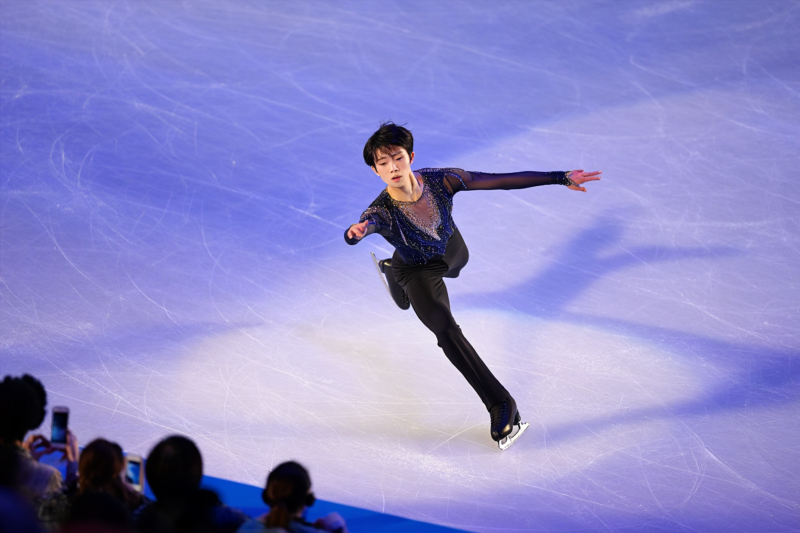
Edge Calls and Qs Jump Symbols Explained Clearly
Are you passionate about figure skating but sometimes find the jargon confusing? At EdgeLine Skating, we understand the importance of clarity in understanding the nuances of the sport. One of the most complex aspects for fans and enthusiasts alike revolves around edge calls and Qs jump symbols—key elements that define a skater’s performance and technical execution.
In this comprehensive guide, we will demystify the terminology surrounding edge calls and jump symbols so that you can follow competitions with confidence and share expert insights with your fellow fans. Whether you’re analyzing a program breakdown or simply eager to improve your vocabulary, this article provides clear, detailed explanations designed for both beginners and seasoned followers.
What Are Edge Calls in Figure Skating?
The Role of Edges in Skating
In figure skating, edges refer to the direction of a skater’s blade movement on the ice, which is fundamental to executing jumps, spins, and footwork with precision and style. There are two main types of edges:
- Inside edge: The edge facing inward towards the center of the body.
- Outside edge: The edge facing outward away from the center.
Skaters’ ability to maintain clean, controlled edges is critical for technical accuracy and overall skating quality.
How Edge Calls Are Made
Edge calls are adjudications during jumps that indicate whether a skater has taken off and landed on the correct edge, as required by the jump’s specific elements. Proper edge use affects scoring and program flow.
- What judges look for:
- Smooth, controlled takeoff on the required edge.
- Consistent edge control throughout the jump.
- Proper landing, adhering to the jump’s specifications.
Significance in Competition
Incorrect edge calls—such as taking off on the wrong edge—can result in downgrades or deductions in the technical score. Thus, understanding edge calls enhances your appreciation of the skater’s skill level and the technical difficulty they demonstrate.
Decoding Qs Jump Symbols: The Key to Technical Scoring
What Are Jump Symbols?
Jump symbols (often abbreviated as “Qs” in some commentary and scoring contexts) represent the type, quality, and rotation count of jumps performed during a routine. These symbols provide quick reference for judges and commentators to communicate complex technical content *efficiently*.
The Standard Jump Types and Their Symbols
| Jump Type | Symbol | Description |
| Toe Loop | T | Takeoff from back outside edge with backward step onto opposite foot, using toe pick. |
| Salchow | S | Takeoff from inside edge with a smooth rotation, initiated from the back inside edge. |
| Loop | Lo | Takeoff from the outside edge without toe pick assistance. |
| Flip | F | Takeoff from a back outside edge with toe pick, characterized by a forward flip motion. |
| Lutz | L | Takeoff from back outside edge with a forward-directed, extended gesture utilizing the toe pick. |
| Axel | A | Unique for its forward takeoff, rotating at least 1.5 rotations. |
Quality and Rotational Symbols
In addition to the basic jump types, judges may use supplementary symbols to indicate the quality or specific characteristics:
- +. (Plus sign): Denotes *good* execution or a jump with slight improvements.
- – (Minus): Indicates deductions or minor errors.
- 2 or 3: Indicates 2 or 3 rotations — essential for qualifying as a double or triple jump.
- 4: Indicates a quadruple rotation.
Example: *F3+* could indicate a well-executed triple flip.
Common Questions About Edge Calls and Qs Jump Symbols
How do judges determine if an edge call is correct?
Judges rely on precise visual cues and technical expertise:
- Blade position and movement during takeoff and landing.
- Ice pattern analysis.
- Camera angles and slow-motion reviews in some competitions.
Proper training ensures consistency and fairness.
Why are jump symbols important for fans and commentators?
Jump symbols condense complex technical details into quick, understandable notation. This allows commentators to relay information accurately and efficiently, helping fans grasp the performance’s technical mastery.
Can I learn to identify edge calls and jump symbols myself?
Absolutely. Focus on:
- Watching slow-motion replays.
- Familiarizing yourself with standard jump types and their characteristics.
- Paying attention to commentary that explains edge calls and jump quality nuances.
How EdgeLine Skating Enhances Your Understanding
EdgeLine Skating empowers fans with the latest insights on:
- Competition coverage — keeping you updated on all major events.
- Program breakdowns — analyzing each skater’s technical elements.
- Element analysis — understanding the significance of each jump and move.
- Skater profiles and scoring insights — offering context and performance evaluations.
- Preview guides for upcoming events — so you can anticipate the technical demands.
By mastering concepts like edge calls and jump symbols, you’ll elevate your appreciation of the sport and even boost your ability to discuss skating at a professional level.
Final Thoughts: Your Next Steps in Figure Skating Mastery
Understanding edge calls and Q jump symbols is essential to decoding the complex language of figure skating. Use this guide as your reference to demystify technical terminology, improve your predictive analytics of routines, and share insightful commentary.
Explore now for expert guidance — whether you’re an enthusiastic fan, aspiring commentator, or passionate analyst. With clear knowledge of how skaters execute their jumps with precision and control, your engagement with figure skating will reach new heights.
Call to Action: Dive Deeper with EdgeLine Skating
Join our community for weekly program analyses, expert breakdowns, and comprehensive guides that keep you ahead in the sport. Subscribe today and turn complexity into clarity!
Enhance your figure skating insights—start learning about edge calls and jump symbols now!