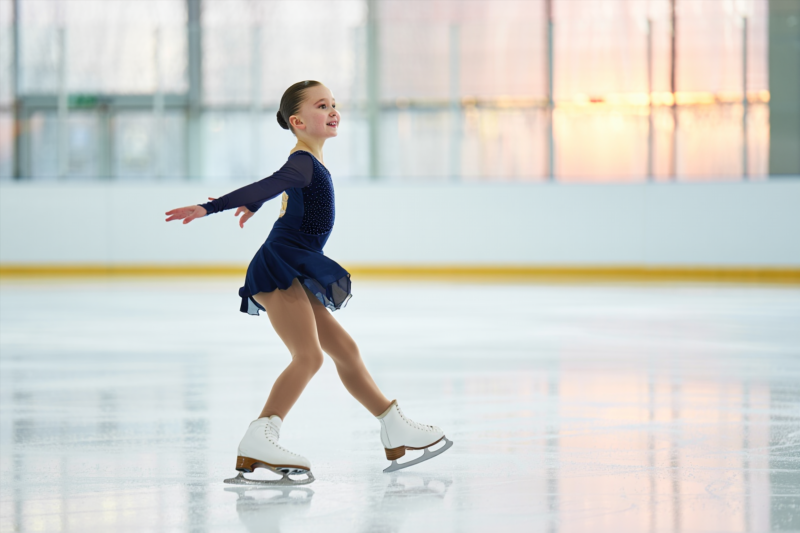
As the figure skating community prepares for the 2025–2026 season, discussions surrounding age limits and eligibility criteria are intensifying. These debates are not just administrative hurdles—they directly influence the opportunities available to skaters at all levels. Understanding how these policies are evolving and how they impact your chances is essential for athletes, coaches, and fans alike. This article explores the current landscape of age restrictions, the debates shaping future policies, and what they mean for competitive eligibility during the upcoming seasons.
The Role of Age Restrictions in Figure Skating
Age limits in figure skating serve multiple purposes: ensuring athlete safety, maintaining fairness, and aligning with international standards. Typically, these restrictions dictate the minimum age for senior-level competition and set upper limits to protect younger athletes from premature exposure to intense competition.
Current Standard Age Regulations
- Minimum Age for Senior Competition: Usually set around 15 years old by the start of the season.
- Junior vs. Senior Divisions: Juniors often are restricted to skaters under 19, although this varies.
- Special Case for Novice and Juvenile Levels: Established to foster development and safeguard health.
The Rationale Behind Age Limits
- Physical Development and Safety: Younger skaters are more vulnerable, and age limits help prevent injuries.
- Fair Play and Competition Integrity: Ensures all competitors are within comparable developmental stages.
- International Harmonization: Aligns with policies set by the International Skating Union (ISU).
Debates and Challenges in the 2025–2026 Cycle
Pressing Issues Facing the Figure Skating Community
As we edge closer to 2025–2026, ongoing debates centered on age eligibility are reshaping policies:
| Issue | Concerns/Arguments | Implications |
| Lowering Age of Senior Entry | Advocated to give younger athletes more exposure | Possible increase in youth participation but raises safety concerns |
| Raising Age Limits | Aims to allow athletes more time for mastery and maturity | Could limit opportunities for younger skaters to advance faster |
| Age Verification Methods | Ensuring fair play amid age falsification claims | Necessitates stricter verification procedures |
Key Factors Influencing Policy Changes
- Athlete Safety and Well-being: Increasing age restrictions to prevent burnout and injury.
- Competitive Balance: Adjusting age limits to maintain fairness among competitors.
- Global Trends and Governance: Aligning national policies with international standards and practices.
How These Changes Affect Your Eligibility
For Aspiring Competitors
- Age Entry for Senior Competition: A shift upwards could mean waiting longer before reaching senior levels.
- Impact on Developmental Pathways: May alter how and when skaters transition from juniors to seniors.
- Increased Competition at Young Ages: If age limits lower, expect more intense youth competitions.
For Coaches and Training Programs
- Adjusting Training Timelines: Adapting to new age eligibility policies to optimize athlete development.
- Strategic Planning: Longer-term planning for athlete progression and peak performance timing.
For Fans and Enthusiasts
- Understanding Eligibility Dynamics: Recognizing how age rules influence athlete trajectories and the overall competitive landscape.
- Anticipating Trends: Monitoring policy shifts can provide insights into upcoming star skaters and competition outcomes.
Frequently Asked Questions
How do international regulations influence national policies?
International standards, primarily set by the ISU, serve as benchmarks for national federations. Changes in ISU age regulations often cascade down to national governing bodies, shaping local eligibility criteria and competition structures.
Are there safety concerns associated with lowering age limits?
Yes. Younger athletes may be more susceptible to injuries and burnout, which is why many advocate for stricter age restrictions. Balancing opportunity with safety is a central component of current debates.
Could exceptions or special considerations be made?
In certain cases, policies may allow for exemptions—such as artistic or demonstration performances—though these are typically tightly regulated to prevent exploitation or safety risks.
What should I do if I’m affected by upcoming policy changes?
Stay informed by following updates from your national federation and the ISU. Adjust your training and competition plans accordingly, and seek guidance to navigate new eligibility requirements effectively.
As the 2025–2026 figure skating season approaches, understanding how age limits and qualification debates influence policies is vital for everyone involved. These evolving regulations are designed to foster a safer, fairer, and more competitive environment, but they also require athletes and stakeholders to adapt strategically. Stay ahead by monitoring policy developments, understanding their implications on eligibility, and planning your development trajectory accordingly. The future of figure skating is dynamic—embrace these changes to unlock new opportunities and elevate your performance.
Ready to stay updated on our latest coverage of figure skating rules, competition insights, and qualification programs? [Subscribe now](#) for expert analysis and exclusive previews tailored for fans and athletes alike.