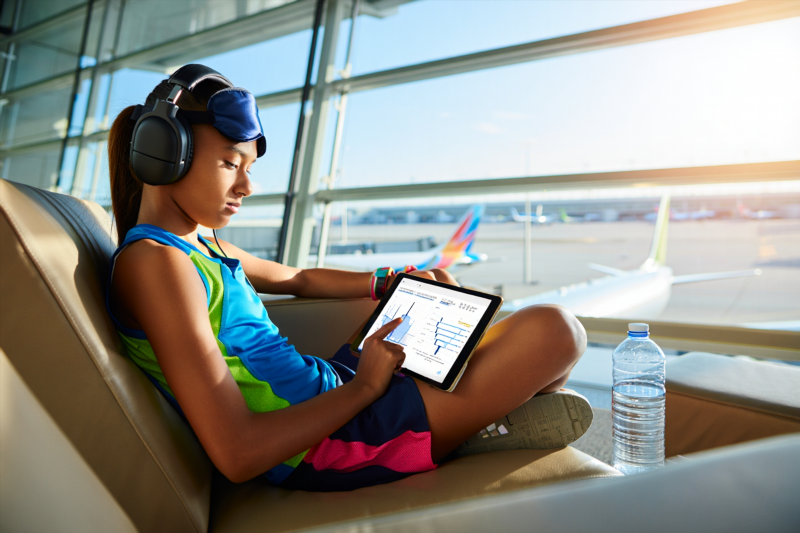
How Managing Travel Schedules Improves Global Event Outcomes
In the realm of international competitions, every second counts. Whether it’s a major figure skating tournament or a global sporting event, athlete performance can be significantly impacted by logistical challenges—most notably, travel time zones and jet lag. Efficiently managing these factors is essential for optimizing performance, maintaining peak physical and mental condition, and ensuring a successful event. This article delves into why travel logistics matter and offers proven strategies to minimize jet lag and boost overall results.
The Impact of Time Zones and Jet Lag on Athlete Performance
Understanding the Physics of Jet Lag
Jet lag occurs when the body’s internal clock, or circadian rhythm, is misaligned with the new time zone. This disruption affects:
- Sleep patterns
- Alertness levels
- Physical coordination
- Cognitive functions
For athletes competing internationally, even a minor dip in these factors can cause performance dips, increase injury risk, or impair recovery.
Consequences for Global Events
- Reduced Focus and Precision: Complex routines demand absolute focus—jet lag hampers this seamlessly.
- Delayed Recovery: Fatigue from jet lag can extend recovery times, affecting subsequent training sessions and performances.
- Psychological Stress: Disrupted sleep and fatigue raise anxiety and reduce mental resilience during competition.
Logistics and Travel Management: The Key to Success
Why Proper Travel Schedule Planning Matters
Effective logistical planning addresses:
- Timing of flights
- Duration of layovers
- Arrival times
- Accommodation arrangements
By considering these factors, teams can better synchronize athletes’ internal clocks with the event schedule.
How Proactive Travel Management Enhances Performance
| Strategy | Impact |
| Early acclimatization | Allows physiological adjustment before competition |
| Strategic flight timings | Reduces jet lag severity, especially avoiding red-eye flights |
| Optimized sleep schedules | Maintains sleep hygiene, ensuring rest aligns with optimal hours |
| Light exposure management | Reset circadian rhythms through controlled light exposure |
| Hydration and nutrition | Supports recovery and minimizes fatigue |
Proven Strategies to Minimize Jet Lag and Maximize Peak Performance
1. Plan Travel for Optimal Arrival Timing
Aim to arrive at least 48–72 hours before the event to allow for acclimatization. If this isn’t feasible, consider:
- Breaking long trips into shorter segments with overnight stays.
- Using red-eye flights to arrive during daytime at the destination.
2. Adjust Schedules Before Departure
Gradually shift sleeping and eating schedules closer to the destination time zone a few days ahead of travel.
3. Use Light Therapy and Darkness
Control light exposure to signal the body when to wake or sleep:
- Bright light in the morning to advance the circadian clock.
- Minimize light exposure when trying to sleep.
4. Maintain Hydration and Limit Caffeine or Alcohol
Hydration aids recovery, while caffeine and alcohol can exacerbate jet lag symptoms.
5. Implement Sleep Strategies on Arrival
Use sleep masks, earplugs, and comfortable bedding to promote rest during layovers and upon arrival.
How a Well-Managed Travel Schedule Contributes to Controlling Competition Variables
Efficient travel logistics not only reduce the physical impacts of jet lag but also:
- Enhance mental readiness
- Improve mood and motivation
- Enable more effective training routines upon arrival
This comprehensive approach aids in creating a competitive advantage—crucial in high-stakes environments like figure skating tournaments, where split-second decisions and flawless execution matter.
Addressing Common Questions About Travel Logistics and Performance
Q: How early should athletes arrive before a competition? A: Ideally, athletes should arrive at least 48–72 hours prior to compete, allowing adequate time for acclimatization.
Q: Can technology help manage jet lag? A: Yes. Light therapy devices, sleep trackers, and circadian rhythm apps are invaluable tools for optimizing adjustment.
Q: Are there specific dietary recommendations to reduce jet lag? A: Stick to hydration, avoid heavy or unfamiliar foods immediately after travel, and consider small, protein-rich meals to support energy levels.
Final Thoughts: The Power of Logistics in Achieving Global Event Success
In the high-performance world of figure skating and international sports, logistics are more than just a behind-the-scenes detail—they are a strategic advantage. Managing travel schedules effectively, understanding the impacts of time zones, and implementing jet lag mitigation strategies can significantly elevate an athlete’s ability to perform at their best.
Start planning your travel logistics today — optimize your journey for peak performance and ensure your next global event is a resounding success.
Ready to Elevate Your Travel and Competition Preparation?
Contact our experts or explore our comprehensive guides to learn more about scheduling strategies, cutting-edge tools, and tailored solutions that keep athletes performing at their peak—no matter where the competition takes place.