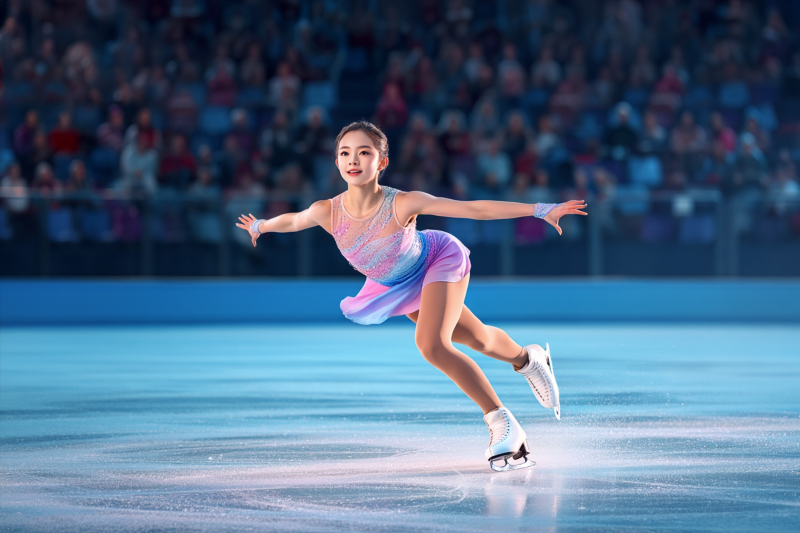
Understanding the Nuances of a Skater’s Return from Injury
In the world of figure skating, injuries are an unfortunate reality that many athletes face. These setbacks can temporarily halt a skater’s career, but with dedicated recovery and resilience, many make remarkable comebacks. But how can fans, coaches, and analysts distinguish between a superficial return and a truly successful reentry into the competitive scene?
This article explores signs of genuine recovery, key indicators of a skater’s readiness, and ways to support their journey back to peak performance. Whether you’re a passionate fan missing your favorite athlete or a stakeholder in the sport, understanding these signs helps foster encouragement and informed appreciation for the intricate process of injury rehabilitation.
The Signs of a Genuine Figure Skating Comeback
Recognizing when a skater has truly returned involves more than just observing their presence on the ice. It requires assessing the quality of their performance, physical readiness, and mental resilience. Here are the critical indicators that a skater’s comeback is authentic:
1. Consistent Technical Performance
- Smooth execution of jumps and spins: The skater maintains clean landings and balanced spins, demonstrating confidence and control.
- Progressive difficulty: They progressively introduce complex elements with assurance, indicating they have regained confidence in their skills.
2. Physical Readiness and Recovery
- Absence of discomfort or compensation tactics: No signs of guarding or altered movement patterns suggest full physical recovery.
- Optimal strength and stamina levels: Physical tests or observed endurance levels align with pre-injury performance.
3. Mental Confidence and Resilience
- Positive body language: The skater exhibits composure, focus, and enthusiasm, signaling mental preparedness.
- Reduced hesitation: They approach elements with conviction instead of tentative execution, highlighting regained confidence.
4. Progress in Competition and Practice
- Gradual integration into competitions: Their scores improve over successive events, reflecting steady development.
- Consistency in practice routines: Consistent, injury-free rehearsals reinforce their genuine return.
How to Support a Skater’s Successful Comeback
Supporting a skater through injury recovery extends beyond emotional encouragement. It involves fostering a respectful environment that promotes mental well-being, physical healing, and competitive readiness.
Practical Ways to Support
| Strategy | Details |
| Stay Informed | Follow their recovery progress through official updates, interviews, and competition performances. |
| Offer Positive Encouragement | Celebrate their milestones—such as landing a difficult jump or completing a full routines—without undue pressure. |
| Respect Their Pace | Avoid pushing for immediate results; trust their timeline and acknowledge the effort they invest. |
| Promote Holistic Recovery | Recognize the importance of psychological support, nutrition, and physiotherapy in their process. |
| Participate in Fan Communities | Engage in forums and social media groups that promote respectful support, sharing insights and celebrating successes. |
Frequently Asked Questions about Injury Comebacks in Figure Skating
How long does a typical injury recovery take for figure skaters?
Recovery duration varies widely depending on injury severity. Minor stress fractures may heal in weeks, while ligament tears or significant surgeries can require months to over a year of rehabilitation.
What indicators suggest a skater is not fully fit during a comeback?
Signs include inconsistent jumps, hesitation, visible discomfort, or lack of confidence. Observing compromised technique or fatigue early in routines can be warning signs.
How can fans and commentators avoid misjudging a skater’s readiness?
Focus on performance quality over immediate results. Pay attention to technical execution, body language, and consistency rather than solely scores or placement.
Are there specific training or rehabilitation techniques that support injury comebacks?
Yes. Strategies include sport-specific physiotherapy, mental coaching, gradual load increase during practice, and cross-training to maintain fitness without overloading injured areas.
Final Thoughts: Appreciating the Resilience Behind a True Return
A figure skater’s comeback after injury is a profound testament to dedication, resilience, and athletic perseverance. Recognizing the signs of a genuine return—from technical mastery to mental composure—deepens our appreciation of their journey. Supporting these athletes with positive encouragement and informed perspectives not only motivates their continued progress but also enriches the sport’s community.
Remember, every successful injury comeback adds to the inspiring tapestry of figure skating’s enduring spirit.
EdgeLine Skating remains committed to delivering clear, accurate context on all aspects of figure skating competition coverage, including the inspiring stories of athletes overcoming adversity. Stay tuned for more in-depth analyses, profiles, and preview guides for upcoming events.