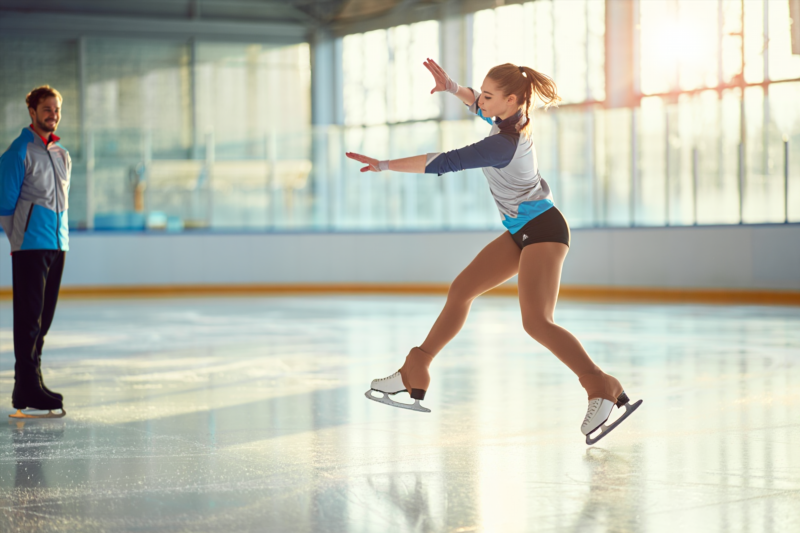
In the highly competitive world of figure skating, athletes constantly seek ways to elevate their performance and stay ahead of the curve. One pivotal decision they often face is changing training camps. This strategic move can be driven by various factors, from coaching styles to training environment, and can significantly influence an athlete’s growth. As fans and enthusiasts, understanding why athletes switch camps and how these transitions impact their performance provides valuable insight into the complex journey of a competitive skater.
This article explores the motivations behind coaching changes and examines their effects, empowering you with knowledge to appreciate the nuanced decisions athletes make for their athletic careers.
Why Do Athletes Switch Camps?
Athletes consider changing camps for a multitude of reasons, each rooted in their desire for improvement, personal growth, and optimal performance. Here are the most common motivations:
1. Seeking New Coaching Perspectives
Coaches are the cornerstone of an athlete’s development. Sometimes, a skater might feel stagnation with their current coaching style or seek specialized expertise to refine specific elements like jumps, spins, or artistry.
2. Environment and Culture Fit
An athlete’s comfort within a training environment influences their performance. Factors such as team dynamics, training facility quality, and support staff can make or break their motivation.
3. Injury Management and Prevention
Certain camps offer advanced medical support, physiotherapy, or injury prevention programs, prompting athletes returning from injuries to seek specialized environments conducive to healing.
4. Lifestyle and Personal Considerations
Personal life, family commitments, or proximity to home can play vital roles. Athletes may switch camps to better balance their personal and professional lives.
5. Coaching Changes and Revisions
Sometimes, changes in coaching staff, whether due to staff turnover or strategic shifts, motivate athletes to find new mentorship aligned with their evolving goals.
How Coaching Changes Impact Athlete Performance
Transitioning between training camps is a significant step that can lead to remarkable growth or temporary setbacks. Understanding these dynamics is essential for fans, coaches, and the athletes themselves.
1. Short-Term Disruptions and Challenges
Adaptation Period: Moving to a new environment requires mental and physical adjustment. Athletes may experience:
- Feelings of uncertainty
- Temporarily decreased performance
- Adjustment to new coaching styles
Mitigation Strategies: Proper planning, psychological support, and gradual transitions can minimize adverse effects.
2. Long-Term Growth and Breakthroughs
Fresh Perspectives: New coaches can introduce innovative techniques or artistic choices, leading to:
- Enhanced technical skills
- Improved artistry and presentation
- Increased motivation and renewed focus
Success Stories: Many elite skaters, such as Yuzuru Hanyu or Nathan Chen, have experienced pivotal improvements following coaching changes.
3. Impact on Competition Readiness
Consistency and Confidence: Transition periods require careful management to ensure athletes remain competition-ready, especially for major events.
- Training camps emphasizing mental resilience can be critical during such times.
- Coaches often tailor transition plans to maintain peak performance levels.
Making Informed Decisions: What to Consider
For athletes contemplating a coaching change, several factors should guide their decision-making process:
| Factor | Consideration | Example Questions |
| Goals | Does the new camp align with your short-term and long-term objectives? | Will this help me reach my next competitive milestone? |
| Coaching Style | Is the new coach’s training philosophy compatible with your learning style? | Do I prefer a disciplined or artistic approach? |
| Environment | Is the training environment conducive to focus and growth? | Will I feel comfortable and supported? |
| Support System | Are medical, psychological, and logistical supports sufficient? | Will I have access to physiotherapy and mental health resources? |
| Transition Plan | Is there a clear strategy for the move and acclimation? | How will I manage the change with minimal disruption? |
Frequently Asked Questions
How Quickly can an athlete see improvements after switching camps?
Improvements vary depending on the individual and the circumstances; some may notice enhancements within a few months, while others require longer adaptation periods. Typically, a dedicated transition phase of six months is common for significant change.
Can changing camps hurt an athlete’s chances at upcoming competitions?
Yes, abrupt or poorly managed transitions can temporarily hinder performance, but with proper planning, athletes often emerge stronger and more competitive.
What role do mental health and motivation play during this transition?
They are critical. Transition periods can be stressful, but strong psychological support and motivation strategies help athletes stay focused on their growth and goals.
Inside why athletes switch camps and how it influences performance reveals a complex interplay of personal, technical, and psychological factors. Smart transitions, supported by thorough planning and clear objectives, can catalyze remarkable growth and unlock new potential. Fans and followers of figure skating should recognize these decisions as vital steps in an athlete’s pursuit of excellence—each move carefully aimed at reaching the next level of performance.
Are you ready to support your favorite skater through their next transition? Stay informed, celebrate their growth, and watch as new training environments propel them toward skating greatness.