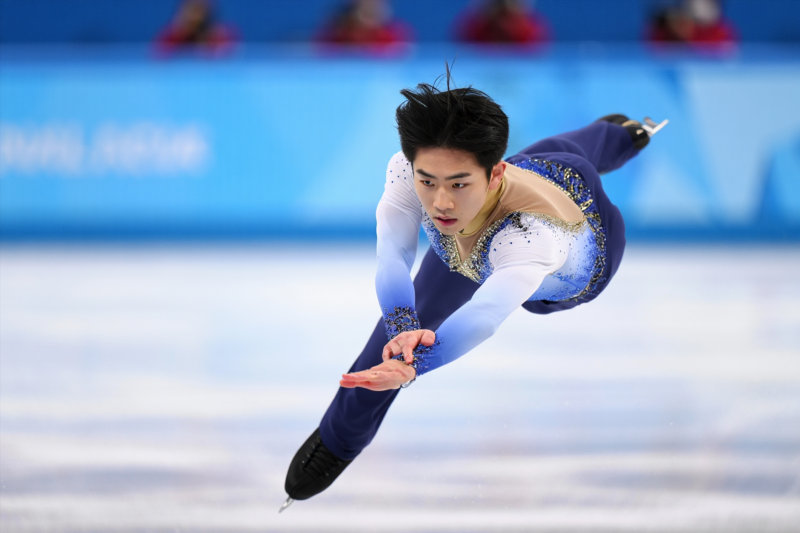
In the world of figure skating, precision is everything. Whether you’re an aspiring competitive skater or a passionate fan analyzing performances, understanding subtle visual cues can dramatically improve your grasp of jump techniques. At EdgeLine Skating, we recognize the importance of performance breakdowns, element analysis, and scoring insights—not just for competitors but also for dedicated fans eager to deepen their knowledge.
This article focuses on small visual clues on TV that can help you interpret and improve jump accuracy, providing practical tips to refine your skating judgment and, for skaters, enhance their execution.
The Power of Visual Clues in Skating Analysis
Skating performances on television are rich with visual cues that reveal an athlete’s technique, timing, and control. Mastering these clues allows viewers and skaters alike to understand *why* a jump succeeded or failed, and most importantly, how to improve.
Why Small Visual Clues Matter
- Early Recognition of Technique Deviations: Subtle shifts in body position or arm placement can indicate a loss of balance or incorrect takeoff.
- Timing and Rhythm: The precise moment of knee bend or arm extension can influence jump height and rotation.
- Intent and Control: Eye focus, head position, and upper body alignment provide insight into an athlete’s concentration and readiness.
Key Visual Cues to Watch For
| Visual Clue | What It Indicates | How It Enhances Your Understanding |
| Knee Bend at Takeoff | Power and preparation | Proper knee bend generates lift; shallow or uneven bend may lead to under-rotation or falls |
| Arm Position and Swing | Momentum and balance | Arm extension or retraction affects rotation speed and control during jumps |
| Head and Eye Focus | Concentration and timing | Stable gaze indicates focus; gaze off may signal mis-timing or loss of focus |
| Body Alignment on Landing | Stability and control | Upright, centered landings suggest better technique and balance |
Practical Tips: How TV Visual Clues Can Improve Skating Precision
By actively observing these cues during televised competitions or practice recordings, you can develop a facility for diagnosing technical strengths and weaknesses.
1. Focus on the Takeoff Phase
- Look for the Knee Bend: A deep, controlled knee bend right before lift-off boosts rotational velocity.
- Observe Arm and Shoulder Movement: Opposite arm swing aids in counterbalancing rotation, enhancing jump consistency.
- Note the Body Position: An upright torso upon takeoff can point to a strong, well-timed jump, while leaning too far forward or back may signal instability.
2. Analyze the Flight and Rotation
- Assess the Launch Angle: A near-vertical launch often correlates with cleaner rotations—crucial for triple jumps.
- Monitor Arm and Head Position During Mid-Air: Consistency in these cues often signifies controlled rotation and good technique.
3. Examine the Landing
- Look for Symmetry and Balance: Even distribution on landing foot and stable upper body prevent under-rotation or falls.
- Observe Skater’s Gaze and Posture: Focusing forward and maintaining posture contribute to smooth landings and readiness for subsequent elements.
How Skaters Can Apply These Visual Clues
Understanding visual indicators allows skaters to self-analyze and refine their technique.
- Video Self-Review: Regularly watch recordings, focusing on the small cues described above to identify areas for improvement.
- Work with Coaches on Key Positions: Using these clues as feedback points during training sessions helps develop awareness and muscle memory.
- Simulate Visual Cues in Practice: Practice drills that emphasize knee bend, arm swings, and body alignment to cultivate consistent technique.
Frequently Asked Questions
How can I use visual clues to improve my own jumps?
By studying your own videos with an emphasis on these small visual cues, you can identify issues such as insufficient knee bend, improper arm positioning, or unstable landings. Working with a coach, you can then target these specific areas for improvement.
Are these visual clues applicable to all levels of skaters?
Absolutely. Whether you’re a beginner learning proper takeoff mechanics or an elite athlete refining complex rotations, observing these cues provides valuable feedback aligned with your skill level.
Can I learn techniques solely from TV footage?
While TV footage offers rich visual cues, in-person coaching remains essential to correct technical flaws safely and effectively. Use video analysis as a supplementary tool.
Final Thoughts: Enhancing Your Skating Sight with Visual Clues
Understanding the tiny visual signals that appear during jumps on television is a game-changer—whether you’re a fan analyzing performances or a skater sharpening your technique. Small clues, like knee bend depth, arm swing, and body alignment, carry significant information about jump quality and consistency.
By integrating these tips into your viewing habits and training routines, you’ll gain a sharper eye for technical mastery and achieve greater skating accuracy. Remember, the key to excellence lies in attention to detail—so watch closely, analyze thoroughly, and skate with precision.
Elevate your figure skating insight starting today—unlock the secrets hidden in small visual clues and take your performance or understanding to the next level.