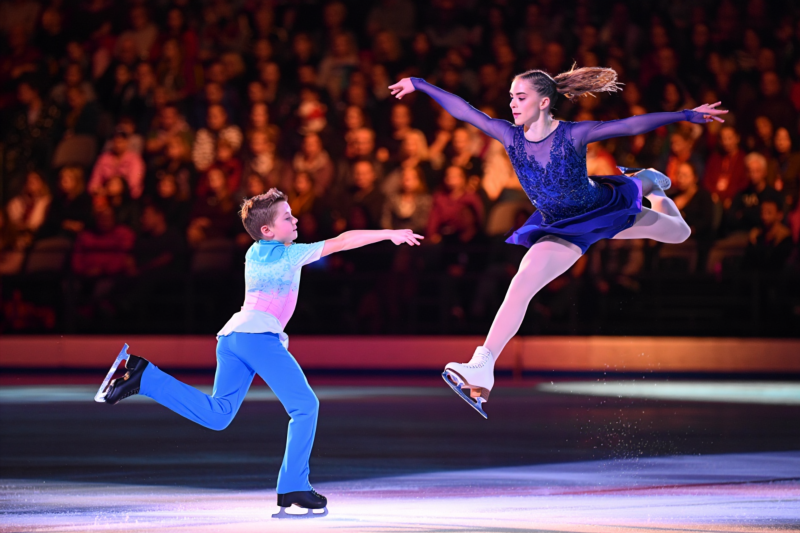
Junior Versus Senior Skating Programs: Key Rules and Skills
As a passionate figure skating fan or aspiring skater, understanding the nuances between junior and senior skating programs is essential. EdgeLine Skating is dedicated to providing in-depth competition coverage, element analysis, skater profiles, and scoring insights—helping fans and skaters alike grasp the distinctions that make each level unique. This guide explores the core rules, skills, and skating experience differences between junior and senior programs, empowering you to make informed decisions about your skating journey and elevate your performance today.
What Are Junior and Senior Skating Programs?
Junior and senior classifications in figure skating are categories that distinguish skaters by age, skill level, and program complexity. These categories influence competition rules, required elements, and performance expectations. Understanding these differences is crucial for skaters aiming to progress or fans seeking deeper insights.
| Aspect | Junior Programs | Senior Programs |
| Age Range | Typically under 19, with varying rules by governing bodies | No upper age limit; open to the most advanced adult skaters |
| Program Length | Usually 2 minutes 40 seconds with specific element requirements | Usually 4 minutes (singles/doubles) with more complex elements |
| Difficulty Level | Focused on foundational skills and developing complex elements | Emphasizes advanced technicality, artistry, and consistency |
| Judging Focus | Developmental skills and correctness | Artistic expression, difficulty, and consistency |
Key Rules and Skills in Junior vs Senior Programs
Understanding the critical rules and skill expectations can help skaters target their training effectively.
1. Technical Element Requirements
Junior programs often include fundamental jumps like singles and simple combinations, with a focus on clean execution. In contrast, senior programs demand higher-level elements such as:
- Triple jumps and beyond
- Complex spins and step sequences
- Quadruple jumps for men, and increasingly for women
> *Pro Tip:* Mastering these elements requires a mix of strength, technique, and artistry, with seniors expected to perform them under pressure and with high consistency.
2. Program Duration and Content
| Aspect | Junior Program | Senior Program |
| Duration | 2:40 minutes | Up to 4:00 minutes |
| Content Focus | Precision, foundational skills | Technical difficulty + artistic expression |
3. Rules on Program Components
- Music interpretation and performance quality are emphasized more heavily in senior competitions.
- Element placements are regulated to optimize flow and difficulty, with strict guidelines on jump combinations and spin types.
Skating Experience Differences
The training, performance expectations, and overall skating experience differ significantly between junior and senior levels.
Junior Skaters
- Usually still developing fundamental skills
- Focus on learning correct techniques
- Mentally and physically building endurance
- Gaining experience in competing under pressure
Senior Skaters
- Have mastered basic and intermediate elements
- Capable of executing complex combinations under pressure
- Focus on artistry, presentation, and consistency
- Often have a personal style that communicates emotion and storytelling
Choosing the Right Program Level
Deciding whether to continue at the junior level or move up to senior depends on several factors:
- Technical proficiency
- Artistic development
- Age and maturity
- Competition readiness
Tip: Assess your skills honestly and consult your coach to determine when you’re ready for increased challenge.
Frequently Asked Questions
Q: How do I improve my skills to progress from junior to senior level? *Consistent practice of technical elements, working with experienced coaches, focusing on artistry, and participating in competitions are vital steps.*
Q: Are the rules significantly different between levels? *Yes. Senior programs generally have more complex requirements and less leniency, demanding a higher standard of execution.*
Q: Can a skater compete in both junior and senior categories? *Yes, often skaters age out of juniors or choose to compete at the senior level once they meet the technical and maturity requirements.*
Understanding the differences between junior and senior skating programs helps skaters prepare effectively and fans appreciate the technical and artistic advancements. Whether you’re coaching an aspiring skater or analyzing competitions on EdgeLine Skating, recognizing these key rules and skills ensures you’re equipped with a clear, accurate perspective to track progress and identify excellence.
Start refining your skills today—embrace the challenges of each level, and skate your way toward mastery!