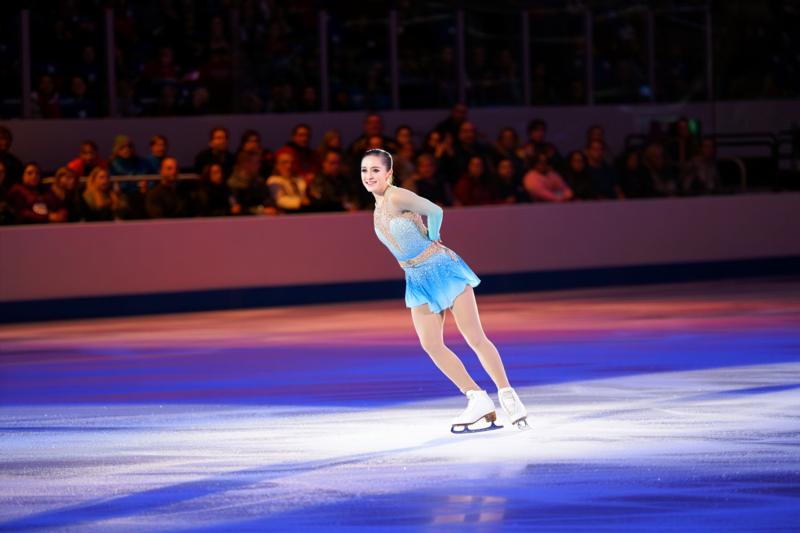
Mental Game on Ice: Boost Confidence and Momentum Signals
In competitive figure skating, technical skill and graceful artistry are only part of the equation. The mental game—the athlete’s confidence, focus, and resilience—plays a pivotal role in turning potential into peak performance. Recognizing confidence signs and understanding the effects of momentum can significantly influence your execution and overall success on the ice. This article delves into strategies to boost your mental game by identifying vital confidence cues and decoding momentum shifts, empowering skaters to perform with consistency, precision, and joy.
Understanding Confidence Signs on the Ice
What Are Confidence Cues?
Confidence cues are observable signals or behaviors that reflect a skater’s mental state. Recognizing these cues in yourself can help you leverage your strengths, while spotting them in others offers insights into their mental resilience.
Common Confidence Indicators
| Confidence Sign | Description | Why It Matters |
| Smooth, Controlled Movements | Fluid transitions, purposeful landings | Indicates calmness and self-assurance |
| Consistent Rhythm and Timing | Maintaining tempo across jumps and spins | Reflects focus and mental stability |
| Positive Facial Expressions | Smiling, focused gaze, relaxed demeanor | Shows engagement and confidence during performance |
| Strong Eye Contact & Body Language | Upright posture, direct eye contact with judges or audience | Demonstrates self-trust and readiness |
| Quick Recovery from Mistakes | Resetting quickly after minor errors | Suggests resilience and a confident mindset |
How to Cultivate Confidence Cues
- Visualization: Visualize successful routines to cultivate positive mental imagery.
- Pre-performance Routine: Develop consistent warm-up and mental prep rituals.
- Positive Self-Talk: Reinforce belief in your abilities through affirmations.
- Mindfulness Practices: Use breathing techniques to stay present and reduce anxiety.
Deciphering Momentum Effects on the Ice
What Is Momentum in Figure Skating?
Momentum refers to the psychological and physical shift that occurs during a performance, often influencing subsequent elements. A well-managed momentum can propel a skater toward higher performance levels, while a loss can cause setbacks.
Recognizing Momentum Shifts
| Visual/Behavioral Cue | Significance | Actions to Harness or Regain Momentum |
| Spike in Energy & Focus | Increased engagement and enthusiasm | Maintain the rhythm, deepen focus, and capitalize on this positivity |
| Quick Return After a Mistake | Resilience and mental reset | Use a positive mantra or breath to refocus instantly |
| Drooping Posture or Slowed Movements | Loss of confidence or increased anxiety | Re-engage with visualization or deep breathing to boost morale |
| Nervous Glances or Fidgeting | Signs of doubt or distraction | Reassert focus through cue words or physical grounding techniques |
Strategies to Influence Momentum
- Focus on the Present: Concentrate on upcoming elements, not past mistakes.
- Use Positive Anchors: Recall moments of success or confidence to regain momentum.
- Adjust Your Internal Dialogue: Replace negative thoughts with constructive affirmations.
- Physical Cues: Use specific movements or gestures (e.g., deep breath, quick nod) to reset mental state.
Practical Tips for Skaters: Enhancing Your Mental Game
Before You Step on the Ice
- Mental Rehearsal: Visualize your entire program, emphasizing confident cues.
- Set Clear Intentions: Decide what success looks like for each performance.
- Control Your Environment: Focus solely on your preparation—block distractions.
During Your Routine
- Stay Present: Focus on each element, maintaining flow and rhythm.
- Monitor Confidence Cues: Recognize and reinforce positive signs in real-time.
- Manage Setbacks: Quickly activate a reset routine after any mistake.
Post-Performance Reflection
- Analyze Confidence & Momentum Play: Identify switches that helped or hindered focus.
- Celebrate Successes: Acknowledge confident signs and effort.
- Plan for Future Gains: Incorporate mental strategies into your training.
Frequently Asked Questions (FAQs)
How can I tell if my confidence is affecting my performance?
Look for visible cues like steady movements, focused gaze, positive facial expressions, and quick recovery from errors. Fluctuations in these signs can indicate mental shifts impacting your performance.
What should I do if I feel my momentum is fading during a routine?
Pause mentally by taking a deep breath or silently repeating a positive cue. Re-anchor yourself with visual or physical gestures that promote focus and confidence.
Can mental exercises improve my confidence on the ice?
Absolutely. Techniques such as visualization, self-talk, mindfulness, and relaxation exercises strengthen your mental resilience and make confidence cues more prominent during routines.
Success on the ice is not only about physical precision but also about harnessing the power of your mind. By recognizing confidence signs and understanding your momentum, you can optimize your mental state to perform at your best consistently. Implement these strategies to build resilient confidence, manage momentum shifts, and turn your figure skating routines into performances filled with purpose, joy, and achievement.
Remember: Your mental game is the foundation of every successful routine. Cultivate awareness, practice regularly, and watch your confidence and momentum soar on the ice!