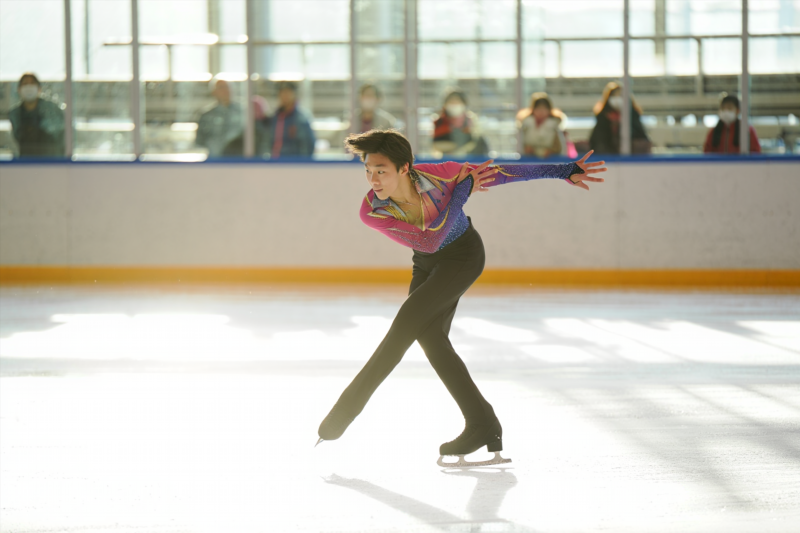
National figure skating championships are among the most thrilling events of the season, featuring fierce competition, rising stars, and established champions. Whether you’re an enthusiastic fan or an avid bettor, understanding how to identify favorites and dark horses amplifies your engagement and sharpens your predictions. This guide leverages expert insights to help you decode the nuances of national championships, offering actionable tips and detailed analysis to spot leading contenders and hidden gems.
Understanding the Landscape of National Championships
The Significance of National Championships
National championships are pivotal in shaping skaters’ careers. They serve as qualifiers for international competitions and showcase the depth of national talent. Recognizing the contenders early provides an edge in appreciating performances and making informed betting choices.
Key Factors Influencing Outcomes
- Previous Season Performance: Consistency and success in prior competitions.
- Training Status and Injuries: Recent training progress or setbacks.
- Technical Level and Program Composition: Complexity and execution of jumps, spins, and footwork.
- Current Form and Mental Toughness: Confidence, composure, and adaptability during competition.
How to Identify Top Contenders: Expert Tips
1. Analyze Recent Competition Results
Track the skaters’ results in recent national and international events. Consistent podium finishes often indicate a skater’s current momentum.
Tip: Pay attention to scores, especially technical element scores (TES) and program component scores (PCS). Skaters with high TES are often more reliable contenders.
2. Observe Technical Capability and Program Execution
Skaters with a high technical baseline—successful jumps like quads or multiple triple jumps—are typically top contenders. Look for:
- Clean jump landings with minimal under-rotation or falls.
- Verbal or visual cues of high-level skating techniques.
- Program cohesion and artistry, which impact PCS.
3. Evaluate RecentTraining and Competition Preparation
Stay updated with training reports, coaching comments, and social media insights indicating a skater’s readiness. A focused training period suggests improved performance potential.
4. Monitor Scoring Patterns and Judges’ Tendencies
Identify skaters favored by judges or those who have scored high under current judging standards. Historical scoring patterns and judge panels can influence outcomes.
Spotting the Dark Horses: Hidden Gems and Upset Risks
1. Rising Stars and Newcomers
Young or debutant skaters with increasing training intensity and recent breakthroughs can be dark horses. They often surprise with high energy and technical freshness.
2. Stylists and Artistic Performers
Skaters with unique artistry or compelling program themes may outperform technically superior rivals due to subjective scoring components.
3. Former Contenders Facing Challenges
Skaters with past success who experienced setbacks may come back stronger, eager to prove themselves.
4. External Circumstances and Variability
Injuries, illness, or unexpected pressure can impact favorites, elevating the chances for lesser-known competitors.
Practical Application Table: Identifying Favorites vs. Dark Horses
| Criteria | Top Contenders | Dark Horses |
| Recent Results | Consistent podium finishes in recent events | Improving scores in training/test skates |
| Technical Score Reliability | High TES in recent performances | Potential for technical leaps or high-risk elements |
| Artistic Expression | Solid program presentation | Unique style or compelling artistry |
| External Factors | Stable health and training | Overcoming recent setbacks or performing under pressure |
Final Tips for Fans and Bettors
- Diversify your focus: Don’t rely solely on favorites; keep an eye on emerging talents.
- Follow expert commentary: Analysts often highlight potential dark horses before they shine.
- Use detailed scoring and program breakdowns: Websites like EdgeLine Skating provide competition analysis that aids your predictions.
- Consider mental and physical factors: Skaters’ interviews and social media can reveal their confidence levels.
Understanding how to distinguish favorites and dark horses transforms your viewing experience from passive spectating into active analysis. By combining performance metrics, technical skills, recent results, and external factors, you gain a comprehensive view of the competition landscape. Use these expert tips to elevate your predictions, deepen your appreciation of the sport, and engage more meaningfully whether you’re betting or simply enjoying the thrill of competition.
Ready to dive deeper? Follow EdgeLine Skating for upcoming comprehensive previews, element analyses, and insider insights to stay ahead of the curve in national championships and beyond.