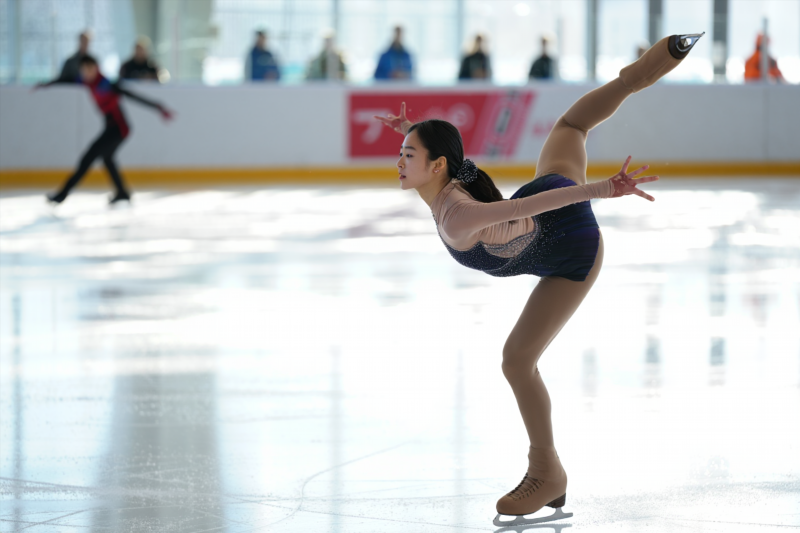
Unlocking the Secrets to Elevated Figure Skating Performances
In the world of figure skating, excellence isn’t just about mastering the basics—it’s about integrating key program components that elevate both technical prowess and artistry. Whether you’re striving for competition success or simply want to perform with more confidence and polish, understanding the essential elements that comprise a winning program is crucial. This guide explores how specific program components can significantly enhance your skating skills and choreographic expression, enabling you to deliver impressive and confident routines on the ice.
The Foundations of a Strong Skating Program
A well-structured skating program incorporates several core components, each contributing uniquely to the overall performance. These include:
- Technical Elements
- Choreography and Artistic Expression
- Program Component Scores (PCS)
- Transitions and Sequencing
- Thematic Consistency and Music Interpretation
Understanding each of these elements allows skaters to craft routines that not only meet technical standards but also resonate emotionally with judges and audiences alike.
Key Program Components to Enhance Skating Skills
1. Technical Elements with Purpose
While perfect jumps and spins are critical, integrating technical elements thoughtfully ensures they enhance rather than hinder your performance.
- Precision and Clean Execution: Doing jumps and spins with impeccable technique boosts confidence and reduces mistakes.
- Element Placement: Strategically placing difficult elements after engaging choreography maintains flow and minimizes fatigue.
- Progressive Difficulty: Incrementally increasing element difficulty fosters skill development and prepares skaters for higher-level competitions.
*Tip:* Focus on quality over quantity. Master each element before adding complexity.
2. Expressive Choreography
Artistry sets exceptional skaters apart. Effective choreography deeply engages viewers and judges through:
- Thematic Storytelling: Convey a narrative or mood that complements your music.
- Dynamic Movements: Utilize varied speed, levels, and angles to add visual interest.
- Musicality: Synchronize moves precisely with beats and musical nuances for immersive performances.
*Benefit:* Strong choreography elevates your skating from technically proficient to emotionally compelling.
3. Transitions and Sequencing
Seamless transitions create a cohesive flow, maintaining energy and preventing routines from feeling disjointed.
- Smooth Transitions: Use glides, turns, and link jumps to connect elements naturally.
- Varied Pacing: Mix slow sections with quick, energetic moves to showcase versatility.
- Strategic Sequencing: Arrange elements to build towards climaxes, intensifying audience engagement.
*Outcome:* Well-planned transitions improve the visual impact and demonstrate control and consistency.
4. Program Component Scores (PCS) Optimization
Skaters can actively influence their PCS by focusing on:
- Execution: Precision, neatness, and accuracy of elements.
- Composition: The balance between technical difficulty and artistry.
- Performance/Execution: Overall presentation, confidence, and engagement.
- Interpretation: Emotional connection and storytelling.
*Tip:* Regularly review feedback and recordings to identify areas for PCS improvement.
Practical Tips for Skaters to Boost Performance Skills
| Strategy | Description | Benefits |
| Focused Practice | Break routines into segments emphasizing weak spots | Accelerates skill mastery and consistency |
| Video Analysis | Record performances to self-evaluate | Reveals unnoticed mistakes and progress |
| Cross-Training | Incorporate ballet or dance classes | Improves posture, musicality, and artistic interpretation |
| Visualization | Mentally rehearse routines | Builds muscle memory and confidence |
| Seek Professional Feedback | Regular coaching sessions | Provides targeted advice to refine elements and style |
Frequently Asked Questions
How do I improve choreography skills for skating programs?
Answer: Focus on immersing yourself in different dance styles, work with choreographers experienced in figure skating, and study top skaters’ routines. Incorporate varied movements, theatrical expression, and musical connection to create engaging and cohesive choreography.
Which program component has the most impact on judging scores?
Answer: While technical elements are critical, the Program Component Scores (PCS)—which include artistry, choreography, and performance—is equally influential. Mastering all aspects consistently leads to higher overall scores.
How can I develop more confident skating performances?
Answer: Confidence stems from thorough preparation, mental visualization, and experience. Practice routines under simulated competition conditions, celebrate small successes, and cultivate a positive mindset to project confidence on the ice.
Final Thoughts: Elevate Your Skating with Purposeful Program Components
Achieving extraordinary skating performances hinges on understanding and integrating key program components that enhance technical skills and artistic expression. By focusing on strategic element placement, expressive choreography, seamless transitions, and PCS optimization, skaters can elevate their routines—delivering performances that are not only technically sound but also emotionally impactful.
Transform your skating—from competent to captivating—and watch as judges and audiences respond with admiration. Remember, the journey to excellence is a blend of meticulous preparation and passionate storytelling on ice.
Ready to elevate your skating performance? Start applying these program components today, and experience the difference confident, well-structured routines can make.