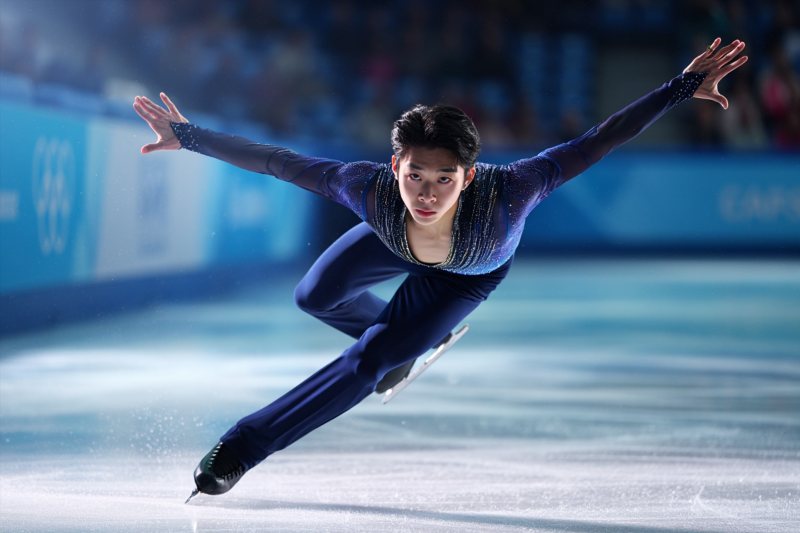
Many figure skaters and enthusiasts notice that free skating routines tend to become more difficult as they progress through the program, especially in the latter half. This phenomenon isn’t solely psychological; it stems from well-documented performance dynamics known as *second half rewards* and *backloading*. Understanding these concepts can empower skaters to optimize their routines, manage fatigue better, and deliver consistent, high-quality performances.
In this article, we explore why second half bonuses and backloading make free skates more demanding, and we offer practical strategies to overcome these challenges—so your final spins and jumps can shine as brightly as your opening elements.
Understanding Second Half Bonuses in Figure Skating
What Are Second Half Bonuses?
In figure skating scoring, especially during competitions, judges often subconsciously or strategically reward skaters who maintain energy, precision, and musicality in the latter parts of their routines. This phenomenon, known as *second half bonuses*, reflects a psychological and scoring trend where skaters who perform strongly towards the end are perceived as more engaging and technically reliable.
Why Do They Occur?
- Judging Biases: Judges may lean towards rewarding consistency and stamina, penalizing performances that fade in the second half.
- Audience Perception: Audience engagement tends to decline after an energetic opening, but a strong finish boosts overall impression.
- Performance Strategy: Skaters aiming for high scores often push harder in the latter stages, risking fatigue but seeking that final boost in execution and presentation.
Implication for Skaters: This often leads to increased pressure to perform complex elements in the second half, where the risk of fatigue-induced errors rises.
The Role of Backloading in Free Skates
What Is Backloading?
*Backloading* refers to the common practice of placing the most technically demanding elements—such as triple/triple-triple combinations or difficult jumps—toward the end of the routine. While it can maximize the perceived impact, backloading intensifies physical and mental strain as the performance progresses.
Why Does Backloading Make Routines Tougher?
- Accumulated Fatigue: As skaters near the end of their program, their legs and core fatigue, which can compromise jump height, landing stability, and overall quality.
- Timing and Confidence: Skaters often feel increased pressure to hit those backloaded elements perfectly, leading to heightened anxiety.
- Technical Risk: The closer the demanding elements are to the end, the higher the chance of errors impacting overall scores or causing falls.
Practical Note: While backloading can maximize scoring potential, it demands impeccable stamina and mental focus, making the routine tougher in execution.
Combining Second Half Rewards and Backloading: The Double Challenge
When skaters both aim for second half bonuses and backload their difficult elements, they face a compounded challenge:
| Aspect | Effect | Why It Matters |
| End-of-routine fatigue | Physical exhaustion increases, risking technical mistakes | Fatigue undermines jump precision and stamina |
| Mental fatigue | Concentration wanes, increasing error probability | Focus is critical during demanding elements |
| Performance pressure | Increased stress to perform flawlessly | Anxiety can impair execution |
Understanding this synergy allows skaters and coaches to develop strategies that balance ambition with endurance, ensuring consistent performance from start to finish.
Strategies to Overcome the Challenges
1. Improve Physical Endurance
- Cardiovascular Conditioning: Incorporate endurance workouts to boost stamina.
- Targeted Strength Training: Focus on core and leg strength to sustain high execution levels.
- Simulate Routine Conditions: Practice full routines at high intensity to build mental and physical resilience.
2. Structure Your Routine Thoughtfully
- Gradual Element Placement: Balance challenging elements throughout the program rather than clustering at the end.
- Manage Backloading: Use demanding jumps strategically—preferably in the middle or early parts to reduce end-of-routine fatigue.
- Tiered Difficulty: Pair easier elements with more demanding ones to distribute energy expenditure.
3. Develop Mental Resilience
- Visualization Techniques: Mentally rehearse performing the tough elements under fatigue.
- Focus Drills: Enhance concentration during practice to maintain consistency.
- Routine Rehearsals: Practice full performances under competition-like conditions to simulate pressure.
4. Prioritize Recovery and Nutrition
- Pre-Routine Nutrition: Fuel your body with sustained-energy foods before skating.
- Post-Practice Recovery: Incorporate adequate rest and recovery periods to prepare for back-to-back sessions.
Final Tips: Mastering the Endgame
- Consistency Is Key: Prioritize stable, clean execution over risky attempts at the back end.
- Pacing Yourself: Know your limits and regulate effort to sustain energy till the last element.
- Appeal to Judges: Maintain musicality and expression throughout—strong finishes can boost scores, but only if technically sound.
FAQ: Addressing Common Concerns
Q: Why do I feel more tired during my routine’s second half? *A: Fatigue accumulates due to physical exertion and mental focus demands, especially when backloading difficult elements.*
Q: How can I prevent errors in my last jumps? *A: Incorporate endurance training, simulate full routines, and practice mental focus techniques to uphold consistency.*
Q: Is backloading always a good strategy? *A: Not necessarily. It depends on your stamina, skill level, and routine design—balance is vital to avoid unnecessary errors.*
Understanding how second half bonuses and backloading influence free skate performance empowers skaters to craft routines that are both ambitious and sustainable. By integrating effective endurance training, strategic element placement, and mental resilience techniques, you can conquer the challenges of fatigue and pressure—delivering compelling routines from start to finish that impress judges and audiences alike.
Optimize your approach today, and let your performance shine through, no matter what the second half holds!