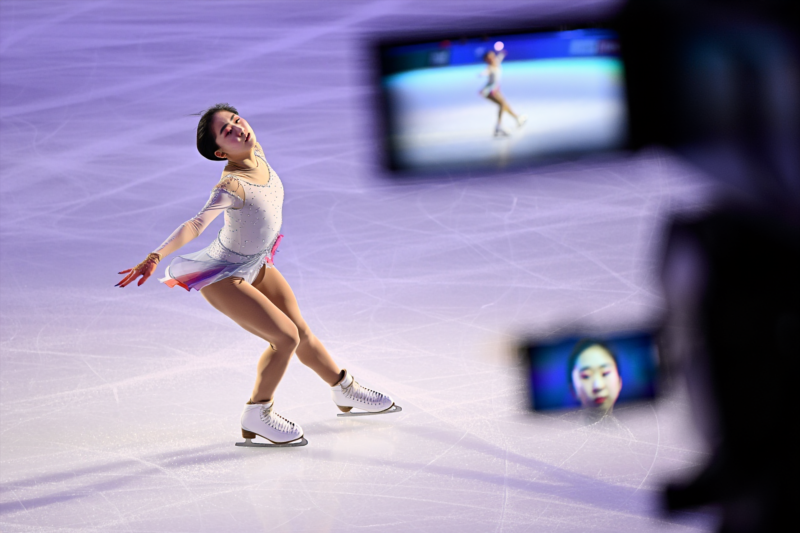
In the world of figure skating, the spin is often considered a hallmark of a skater’s technical mastery and artistry. For fans, coaches, and analysts like those visiting EdgeLine Skating—your premier figure skating portal—being able to swiftly and accurately identify high-quality spins on broadcast features enhances both viewing pleasure and content evaluation. Whether you’re analyzing competition footage or preparing insightful commentary, mastering quick spin identification is invaluable. This article provides practical, easy-to-apply tips to help you spot top-notch spins with speed and confidence, optimizing your workflow and elevating your figure skating assessments.
Why Spotting High-Quality Spins Matters
Identifying superior spins isn’t just about appreciation; it influences:
- Judging Insights: Recognize elements that contribute to higher scores.
- Content Creation: Develop accurate and compelling review videos or articles.
- Audience Engagement: Share convincing insights that deepen viewer understanding.
- Skater Development: Provide constructive feedback based on precise technique evaluation.
With these benefits, sharpening your ability to distinguish quality spins becomes a crucial skill.
Common Challenges in Identifying High-Quality Spins
Before diving into identification tips, acknowledge typical difficulties, such as:
- Varying camera angles and video quality
- Similar-looking spins with different technical qualities
- Overlap between different spin types
- Subjective perceptions of “quality”
Overcoming these challenges requires a strategic approach grounded in observable, measurable criteria.
Easy Tips for Quick Identification of High-Quality Spins
1. Focus on Spin Position and Symmetry
What to look for:
- Legs are close together, aligned, and stable
- The skater maintains a centered, balanced position
- Minimal wobbling or unsteadiness
Why it matters:
A high-quality spin features precise technique—any wobbling, leg separation, or incorrect body alignment diminishes the spin’s quality score.
2. Observe Rotation Speed and Axial Stability
Indicators:
- Rapid, continuous rotation with no signs of slowing or wobbling
- The axis remains vertical and steady, not wobbling sideways or tilted
Impact:
A strong spin maintains speed and axis stability, reflecting excellent core control and technique.
3. Assess Edge Control and Toe Pointing
What to note:
- Clean, decisive edge work on the skating foot
- Tightly pointed toes that stay aligned with the rotation
Significance:
Proper edge control and toe placement contribute to the spin’s precision, indicating higher quality.
4. Review Entry and Exit Techniques
Look for:
- Smooth, controlled entries into the spin
- Consistent, balanced exits without extra movement
Why it matters:
Fluid transitions into and out of spins suggest refined technique and high execution quality.
5. Check for Artistic & Technical Integration
Consider:
- Spinners’ overall presentation, including arm and head positions
- How well the spin fits within the program’s artistic theme
Note:
While primarily technical, artistry can hint at the skater’s mastery and confidence in executing high-quality spins.
Bonus: Using Broadcast Features Effectively
Leverage Slow Motion and Multiple Angles
Most modern broadcasts include slow-motion replays and various camera angles—use these features to carefully scrutinize spin elements beyond real-time viewing.
Use Frame-by-Frame Analysis
Pause at critical moments to observe body position, leg alignment, and rotation speed.
Integrating Your Observations into Content and Workflow
Once you’re proficient at quickly identifying good spins:
- Annotate captions or commentary with specific technical praise
- Create checklists for rapid evaluation during broadcasts
- Build a mental database of high-quality vs. lower-quality spins for future reference
This structured approach will save time and improve your content’s accuracy, whether you’re writing reviews, commentating live, or preparing analytical reports.
Frequently Asked Questions
How can I improve my speed in identifying spin quality?
Practice analyzing different videos repeatedly, focusing on the key criteria listed here. Use slow-motion replays and frame-by-frame views to train your eye for detail.
Are there specific spins that are easier to judge?
Yes—commonly, easier spins to evaluate include vertical upright spins and camel spins, as their technical elements are more visibly distinct. Difficult spins, like sit or change of edge spins, require more careful observation.
What tools or apps can aid in quick analysis?
Video analysis tools like Dartfish, Hudl Technique, or even basic video editors enable you to slow down footage, mark key positions, and review details efficiently. Many broadcast platforms also offer slow-motion or multiple camera angles.
Recognizing high-quality spins on broadcast features doesn’t have to be time-consuming or complicated. By focusing on key visual cues—body position, rotation speed, edge control, and execution flow—you can develop an eagle eye for top-tier spins in moments. Applying these simple, easy-to-remember tips will streamline your evaluation process, deepen your appreciation for the technical artistry of figure skating, and empower you to produce richer, more accurate content on platforms like EdgeLine Skating. Start practicing today, and take your figure skating insight to the next level!