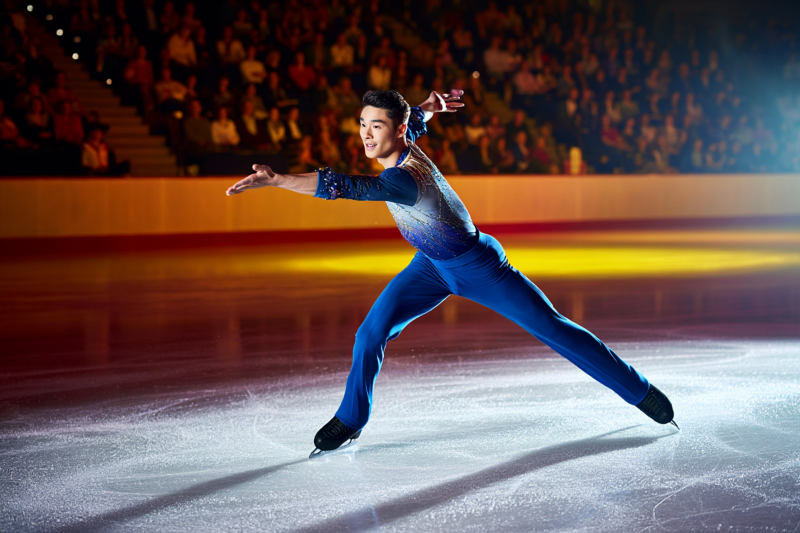
Step Sequences for Viewers: How to Spot Level Four Differentiation
Understanding the nuances of figure skating step sequences is essential for fans aiming to deepen their appreciation of the sport. At EdgeLine Skating, we believe that recognizing the difference between an acceptable and a level four step sequence enhances your viewing experience and allows you to appreciate athletes’ technical mastery fully. This guide will teach you how to distinguish level four step sequences from those that are simply okay, highlighting key elements that set the highest quality apart.
Why Recognizing Level Four Step Sequences Matters
In competitive figure skating, the level of a step sequence reflects the skater’s technical shallowness, their ability to integrate complex movements, and their overall artistry. A level four denotes the highest difficulty classification, indicating a sequence that is executed with impeccable technique, variety, and footwork complexity. Spotting this difference enables viewers to:
- Better analyze the skater’s skills during competition
- Understand scoring nuances from judges
- Increase your overall appreciation for technical artistry
What Is a Level Four Step Sequence?
A level four step sequence is characterized by:
- Maximum difficulty with complex footwork patterns
- Incorporation of powerful turns and transitions
- Seamless combination of edge work, turns, and intricate steps
- High artistic expression alongside technical precision
These sequences often feature multiple difficult turns, deep edges, and quick footwork that showcase both control and agility.
How to Differentiate Level Four from Okay Step Sequences
1. Complexity of Footwork and Turns
Level Four:
- Features a variety of turns such as rocker, mohawk, choctaws, and brackets executed smoothly and rapidly
- Incorporates intricate footwork combining multiple turns into seamless patterns
- Demonstrates advanced edge control on both inside and outside edges
Okay Sequence:
- Limited variety, often relying on basic turns or simple steps
- Transitions are less fluid, with noticeable gaps or hesitations
- Edge work appears shallow or inconsistent
Tip: Watch for the execution of multiple turn types within a single sequence. The presence of several challenging turns indicates a level four attempt.
2. Use of Edges and Depth of Motion
Level Four:
- Deep, clean edges that show control and precision
- Variations between inside and outside edges, demonstrating technical mastery
- Fluid transitions between different parts of the sequence
Okay Sequence:
- Shallow edges or flat footwork
- Limited variation in edge depth
- Disjointed movements with less flow
Tip: Pay attention to the skater’s edge control—deep, clean edges are a hallmark of a high-level sequence.
3. Artistic Integration and Transition Quality
Level Four:
- Transitions and steps are integrated with artistry, complementing the music and choreography
- Movements flow seamlessly from one to another, creating a harmonious sequence
- Exhibits confidence and smoothness, even at high speeds
Okay Sequence:
- Movements may appear mechanical or disjointed
- Transitions lack fluidity and may interrupt the visual flow
- Less expressive or more hesitant execution
Tip: Observe whether transitions appear natural and expressive versus forced or abrupt.
4. Overall Control and Speed
Level Four:
- Maintains control at high speeds, with sharp, precise foot positioning
- Executes turns and steps with confidence, without signs of wobbling or hesitation
Okay Sequence:
- Slower or uneven execution
- Evident wobbling or overcompensation to maintain balance
Tip: The sense of fluid, confident movement is a key indicator of a level four sequence.
Practical Viewing Tips for Fans
| Tip | How to Apply It |
| Slow down the video | Rewind and watch key sections repeatedly for detail |
| Focus on the skater’s footwork | Look for the variety and depth of turns and edges used |
| Listen to the music | See if the steps match the rhythm and mood, enhancing artistry |
| Compare sequences | Watch multiple skaters and note the differences in complexity |
Common Questions About Recognizing Level Four Step Sequences
Q1: Can a sequence look complex but still be only level three? Yes, execution, transitions, and control matter just as much as pattern complexity. A sequence must meet all technical requirements to qualify as level four.
Q2: Is it possible for a skater to perform a level four sequence poorly? Certainly. A specific sequence can be technically difficult but executed with errors, which can lower the effective level.
Q3: How does sequence level impact scoring? Higher-level sequences generally receive higher difficulty scores, boosting overall points. Proper recognition helps fans appreciate the technical skill behind the scores.
By understanding the key differences that distinguish level four step sequences from average ones, you not only enhance your knowledge but also become a more engaged and discerning fan. Focus on complexity, edge control, artistic flow, and execution. Over time, your ability to distinguish top-tier sequences will deepen your appreciation for the technical artistry of figure skating — making every competition an engaging and educational experience.
At EdgeLine Skating, we are committed to helping fans like you explore every nuance of the sport. Stay tuned for more expert guides, skater profiles, and insider insights to elevate your figure skating journey!