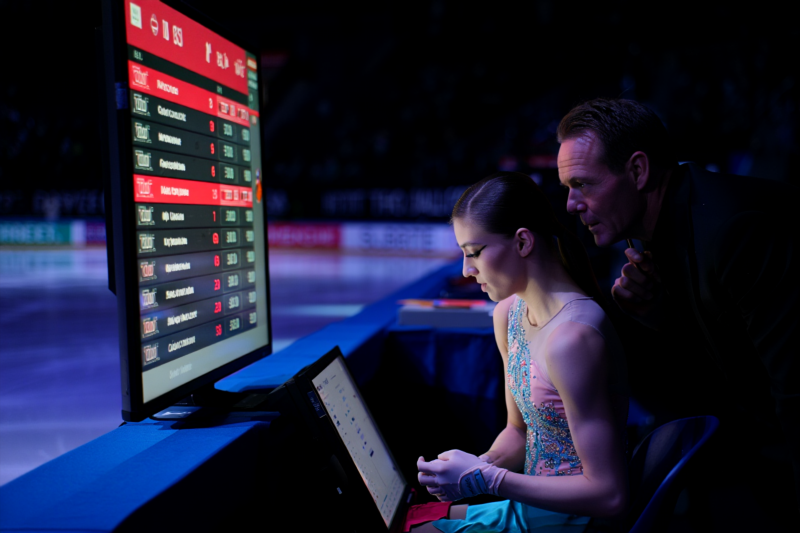
What Coaches and Skaters Watch During Score Waiting Periods
When it comes to competitive figure skating, every second counts—not just on the ice but also off it. The moments between performances, especially during the score waiting periods, are critical for both skaters and coaches. These intervals are filled with a concentrated focus on the unfolding results, mental preparation, and strategic analysis. Understanding what happens during these times can deepen your appreciation of the sport and provide fans with an insider’s view into the intense world of figure skating competition.
The Critical Role of Score Waits in a Skater’s Mental Game
After completing their routines, skaters step off the ice into a zone of anticipation and sometimes anxiety. Meanwhile, coaches and skaters have a shared objective: to stay mentally sharp and strategically ready for the next phase, whether that’s celebrating a success or regaining composure after a setback.
Why do these moments matter?
- They influence the skater’s confidence and focus moving forward
- They offer strategic insights into judging impressions and element performance
- They provide an opportunity to process the current results without distraction
What Coaches Observe During Score Waits
Coaches are highly perceptive during the scoring wait, leveraging these minutes to analyze and prepare. Here’s what they typically focus on:
1. Initial Judging Feedback and Scores
- Score charts and ranking: Coaches assess how the judges have scored the performance. Are they aligned with expected results?
- Component and Program Scores: These reveal judges’ perceptions of skating skills, transitions, performance, composition, and interpretation.
2. Judging Panel Dynamics
- Observing judges’ body language and expressions can provide additional insights into the scores’ implications.
- Coaches look for signs of consistency in judging, understanding any biases, or adjusting their future strategies.
3. Technical and Performance Notes
- They review the technical element scores to identify strengths and weaknesses.
- Coaches analyze performance components like artistry, presentation, and overall impression.
4. Strategic Planning for Next Performance
- Based on scores, they recalibrate tactics for subsequent routines—whether to emphasize certain elements or manage nerves.
- For skaters in multiple segments, coaches begin mental preparations for upcoming routines.
What Skaters Observe and Do During Waiting Periods
Skaters are equally focused, but their strategies often revolve around emotional regulation and physical readiness:
1. Monitoring Judging Feedback
- Score updates: Athletes often watch big screens or listen for announcers’ summaries.
- Body language cues: They study the judges’ expressions post-performance for insights into possible scores.
2. Mental Re-centering
- Skaters practice breathing exercises, visualization, or focus techniques to remain calm and centered.
- They may recall their technical plan and visualize their next performance.
3. Physical Preparation
- Light stretching or hydration to stay physically engaged.
- Adjustments to equipment, such as skate lacing or costume checks, if needed.
4. Emotional Management
- Maintaining confidence regardless of results—whether celebrating success or managing disappointment.
- Reinforcing positive self-talk to keep motivation high.
How These Observations Impact Performance and Strategy
The insights gained during score waits are vital for continuous improvement:
| Aspect | Impact on Performance and Strategy |
| Judging Feedback | Guides technical focus for upcoming routines |
| Judge Body Language | Helps anticipate scoring trends and judge preferences |
| Skater’s Mental State | Influences confidence and performance quality |
| Overall Competition Dynamics | Shapes tactical decisions like element emphasis or presentation style |
Frequently Asked Questions
Q1: How do coaches decide what to focus on during the scoring wait? Coaches prioritize assessing judges’ reactions, evaluating their own skater’s performance, and planning the next steps—balancing technical insights with mental readiness strategies.
Q2: What do skaters do if they’re disappointed with their scores? Skaters use mental techniques like visualization and positive affirmations. Coaches help reframe the outcome as a learning opportunity to improve in the future.
Q3: Is there a difference in observing scores between amateur and elite competitions? Yes. In elite competitions, the scrutiny is more detailed, and strategic observation can influence future performances more significantly.
Understanding what coaches and skaters observe during these critical moments enhances your appreciation of figure skating’s complexity and intensity. These seconds are not merely waiting times—they are active, strategic, and mental moments that can shape the outcome of the competition.
Stay tuned for more behind-the-scenes insights with EdgeLine Skating—your ultimate portal for detailed competition coverage, element analysis, skater profiles, and previews of upcoming events.
Enhance your understanding today and witness the sport from a new perspective!