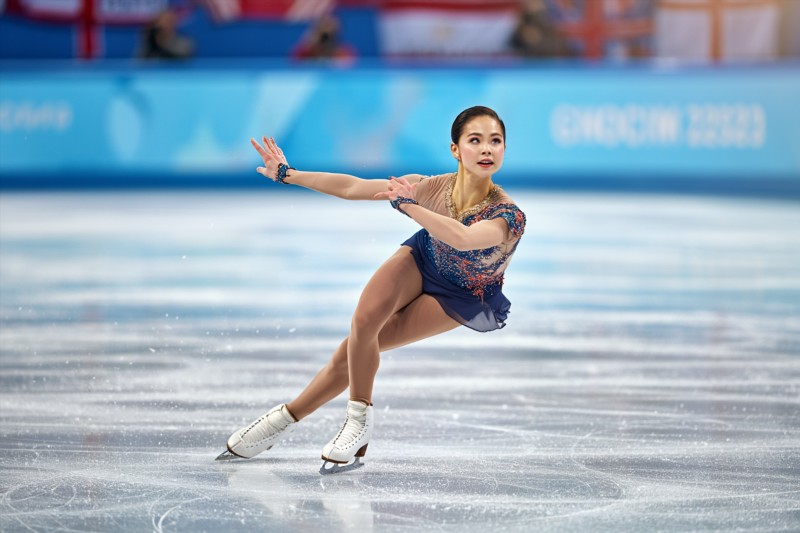
In the ever-evolving world of figure skating, executing a clean and compelling program can be the key to standing out in competitions. EdgeLine Skating, your premier figure skating portal, provides in-depth competition coverage, program breakdowns, element analysis, skater profiles, scoring insights, and preview guides for upcoming events. Whether you’re a fan seeking clearer context or a skater aiming for technical excellence, understanding what makes a program clear and cohesive is essential. This article distills expert tips to help skaters craft programs that are not only technically sound but also artistically compelling from the first element to the final pose in 2025/26.
What Makes a Program “Clean” and Effective?
A clean program seamlessly combines technical precision with artistic expression. It consistently demonstrates mastery across all components—technical elements, choreography, musicality, and presentation—ensuring judges and audiences are engaged and convinced. Here’s what defines a “clear” program:
1. Technical Precision and Consistency
- Accuracy in Elements: Proper execution of jumps, spins, and footwork without errors or deductions.
- Balanced Content: Well-structured program with a logical flow and appropriate difficulty levels.
2. Artistic Cohesion
- Choreography That Tells a Story: Moves and expressions that connect emotionally with viewers.
- Musicality: Synchronization with the music, emphasizing rhythm, accents, and dynamics.
3. Seamless Transitions
- Flow Between Elements: Smooth, natural transitions that maintain the program’s momentum.
- Minimized Stops: Ensuring the program feels continuous, avoiding pauses or awkward movements.
4. Consistent Presentation
- Confidence and Engagement: The skater’s posture, facial expressions, and body language convey confidence.
- Clear Focus: Maintaining audience and judge attention through eye contact and expressive performance.
Step-by-Step Guide to Building a Clear and Effective Program in 2025/26
Creating a program from start to finish that resonates with judges and audiences involves meticulous planning and execution. Here’s a structured approach:
1. Conceptualize Your Theme and Music
- Choose a compelling theme that allows expressive movement.
- Select music with clear phrasing, dynamic range, and emotional depth suitable for your technical strengths.
- Match choreography to the music’s nuances for maximum impact.
2. Design a Logical Element Layout
- Start Strong: Open with a confident, defining element to set the tone.
- Vary Your Content: Mix difficult jumps, spins, and footwork for a well-rounded presentation.
- End Powerfully: Conclude with a memorable pose or element that leaves a lasting impression.
3. Prioritize Technical Consistency
- Rehearse with precision to prevent common errors.
- Structure your program around your technical strengths to minimize risk.
- Practice transitions to ensure fluidity and maintain momentum.
4. Emphasize Artistic Connectivity
- Align movements with the music’s emotional beats.
- Use facial expressions and body language to enhance storytelling.
- Coordinate costumes and use of space to complement your theme.
5. Focus on Transitions and Flow
- Choreograph smooth transitions between elements.
- Use step sequences and connecting movements to bridge jumps and spins seamlessly.
- Avoid abrupt stops that disrupt the continuity.
6. Technical and Artistic Rehearsals
- Simulate competition conditions during practice.
- Seek feedback from coaches and peers to identify areas for improvement.
- Record performances to analyze flow, clarity, and impact.
Common Pitfalls to Avoid for a Clean Program
| Pitfall | How to Avoid |
| Overly complex choreography | Match difficulty to your skill level to prevent errors. |
| Poor transition planning | Incorporate planned, rehearsed transitions to maintain flow. |
| Ignoring musicality | Prioritize musical connection during both practice and performance. |
| Rushing into elements | Build in tempo and confidence before executing jumps and spins. |
FAQs: Achieving a Clear and Successful Program
Q1: How important is originality in a clean program?
A: While technical mastery is crucial, embodying originality in choreography and expression elevates your program, making it memorable and compelling.
Q2: Can a program be technically simple but still considered “clean”?
A: Yes. A simple, well-executed program often outshines overly complicated routines riddled with errors. Clarity and consistency trump complexity when aiming for a clean performance.
Q3: What role does music selection play in clarity?
A: Music guides choreography and emotional expression. A well-matched piece with clear phrasing helps you stay on cue and execute elements cohesively.
Final Thoughts: Inspire Your Approach in 2025/26
Creating a program that is clear from the first element to the final pose requires strategic planning, artistic insight, and disciplined execution. Focus on maintaining technical accuracy, artistic cohesion, and fluid transitions, all while telling a compelling story through movement. Incorporate these expert tips to inspire your approach, ensuring your performances captivate judges and audiences alike and set new standards for excellence in 2025/26.
Ready to elevate your skating programs? Explore our detailed coverage, expert analyses, and in-depth guides at EdgeLine Skating—your pathway to mastering the art of a clean, impactful figure skating performance.