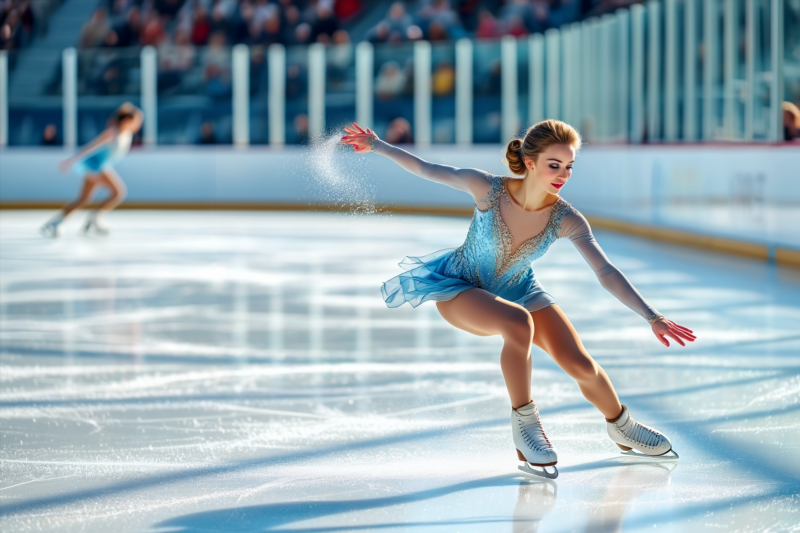
In the world of figure skating, the artistry and technical precision of a performance are paramount. Yet, even the most skilled skaters sometimes perform routines that seem visually sparse or unbalanced. This perception often stems from how the choreography is structured, particularly the layout of skater movements and the transitions between elements. At EdgeLine Skating, we understand that a well-designed layout, complemented by fluid transitions, can elevate a performance from merely competent to truly captivating.
In this article, we will explore why some skating layouts appear empty or incomplete and how intelligent use of transition steps can dramatically improve choreography. Whether you’re a coach, choreographer, or passionate fan, understanding these principles will help you analyze performances more effectively and implement practical solutions for creating engaging, balanced routines.
Why Do Some Layouts Feel Sparse?
1. Lack of Spatial Engagement
Key Issue: Skaters often perform in a confined or repetitive manner, restricting visual interest.
Why it happens:
- Over-reliance on a limited area of the ice
- Minimal variation in skating directions and positioning
- Insufficient use of space to create visual balance and dynamic movement
Impact: Audiences and judges may perceive the routine as lacking depth, making the layout feel empty or monotonous.
2. Imbalance in Element Placement
Key Issue: Elements are clustered or unevenly distributed across the rink.
Why it happens:
- Choreographers may not plan for even spacing
- Skaters execute elements in a manner that tightens grouping rather than spreading out
- Lack of intentional spatial layering
Impact: Results in a focus on one area, leaving other parts of the ice underutilized, contributing to a sparse feel.
3. Insufficient Dynamic Transitions
Key Issue: Transitions are static or abrupt, rather than smooth and flowing.
Why it happens:
- Neglecting the importance of connecting elements seamlessly
- Overemphasis on technical jumps or spins without considering choreography flow
Impact: Breaks in the routine’s rhythm, causing the performance to feel disconnected and “empty.”
How Transition Steps Enhance Choreography
1. Creating Visual Continuity and Flow
Transition steps serve as bridges connecting different elements smoothly. They help in:
- Maintaining the visual rhythm of the performance
- Eliminating awkward pauses or abrupt changes
- Encouraging the audience’s eye to follow the motion naturally
*Example:* Using a controlled glide or spread eagle to transition from a jump to a spin creates a more seamless visual experience.
2. Expanding Spatial Use and Balance
Well-placed transition steps increase the effective use of the entire rink:
| Transition Technique | Effect | Best Use |
| Crossovers | Cover distance quickly, add momentum | Connecting elements across the ice |
| Gentle glides | Maximize vertical and horizontal space | Connecting spins and jumps |
| Spin to step combo | Add stylistic variation | Linking spins with footwork |
This approach prevents the routine from feeling confined or lopsided.
3. Elevating Artistic Expression
Transitions are not just technical; they add artistic flair:
- Expressiveness: Speed variation, arm movements, and head turns in transition steps convey emotion.
- Dynamics: Incorporating spins or quick footwork enhances the routine’s energy.
Practical Input: Use Transitions to Tell a Story
Encourage skaters to think of transitions as storytelling tools, guiding the audience through a narrative rather than simply connecting technical elements.
Practical Solutions for Creating Engaging, Balanced Layouts
1. Strategic Planning of Element Placement
- Map out the entire routine beforehand, visualizing the rink as a canvas
- Distribute jumps, spins, and footwork evenly across the ice
- Use diagonal, curved, and lateral movements to break uniformity
2. Incorporate Varied Transition Techniques
- Mix slow, deliberate steps with quick, energetic ones for contrast
- Use turns and spins to supplement the routine’s flow
- Experiment with level changes—skating low, rising to jumps for visual interest
3. Focus on Musical and Artistic Cohesion
- Align transitions with the music’s rhythm and mood
- Let the music dictate the pace of transition steps, creating natural momentum
4. Record and Analyze Performances
- Review videos to identify sparse areas
- Identify transitions that can be improved or added to fill gaps
- Use feedback to iterate and enhance routine flow
Frequently Asked Questions
Q: How can I make a routine look less sparse without adding too many elements?
A: Focus on improving the transitions between existing elements. Use lateral movements, turns, and artistic steps to connect parts of the routine more fluidly, filling space visually and rhythmically.
Q: Are complex transitions always better?
A: Not necessarily. Effective transitions should enhance flow without overwhelming the performance. Quality, not quantity, creates a more engaging routine.
Q: How do I balance technical elements with artistic transitions?
A: Coordinate transitions with music and emotional storytelling. Blend technical footwork with expressive movements to maintain technical integrity while enriching artistic appeal.
Addressing the perception of sparse layouts in figure skating hinges on understanding how spatial dynamics and transition steps impact choreography. By thoughtfully planning element placement and enriching routines with smooth, expressive transitions, skaters can achieve performances that are visually balanced, engaging, and artistically compelling.
Incorporate these practical solutions into your choreography and performance analysis, and watch routines evolve into captivating stories that resonate with audiences and judges alike.
Ready to elevate your skating routines? Start by analyzing your current layouts and experimenting with transition techniques today. The power to transform your choreography is within your grasp!